Everything in cleaning comes back to labour hours. There is no expensive raw material and no machine that does the job on its own. What you are buying is people’s time, so anything that changes a quote does it by changing how many hours the job takes.
That is a useful lens, because once you see it that way the variation between quotes stops being mysterious. Below are the seven things that move the number, roughly in order of how much they matter, and what you can do about each.
1. Scope, which explains most quote differences
This is the big one, and it is the reason for most of the confusion people bring us. Deep clean is not a defined term. One company includes the oven, inside all cupboards, internal windows and light fittings. Another means a thorough clean of visible surfaces. Both call it a deep clean and both are being honest.
Until you have a written room-by-room scope from each, you are not comparing prices, you are comparing words. We have listed what should typically be covered in what does a deep clean actually include, which makes a reasonable checklist to hold a quote against.
2. Condition, which matters more than size
People expect square footage to be the main driver. It is not. A well-maintained three-bedroom house can take less time than a one-bedroom flat where the oven has never been cleaned and the bathroom has years of scale on it.
The reason is that neglected surfaces need dwell time and repeat passes. Baked-on grease does not come off faster if you push harder; it needs the product left on it, then removed, then often done again. A kitchen in that state can absorb hours that a maintained one would not.
This is also the variable most within your control, and the reason regular upkeep pays for itself at the point you book a deep clean.
3. Size and layout
Size still counts, though bathrooms move a quote more than bedrooms do. A bathroom is a high-detail room full of scale, sealant, glass and awkward corners; a bedroom is largely floor, surfaces and skirting. Two bathrooms and two bedrooms is a bigger job than one bathroom and three bedrooms. Stairs, landings and long hallways add more than their floor area suggests, because stair carpet and spindles are slow work.
4. Empty or occupied
An empty property is significantly quicker. Nothing has to be moved, nothing is being worked around, and there is no coordinating with people using the rooms. In an occupied home a good proportion of the visit goes on shifting possessions and putting them back. That is why the same property prices better between tenancies, and why clearing surfaces before anyone arrives is the most effective free thing you can do.
5. Add-ons that are genuinely separate work
Some things are quoted separately because they need different equipment or a lot more time, not because anyone is padding the bill.
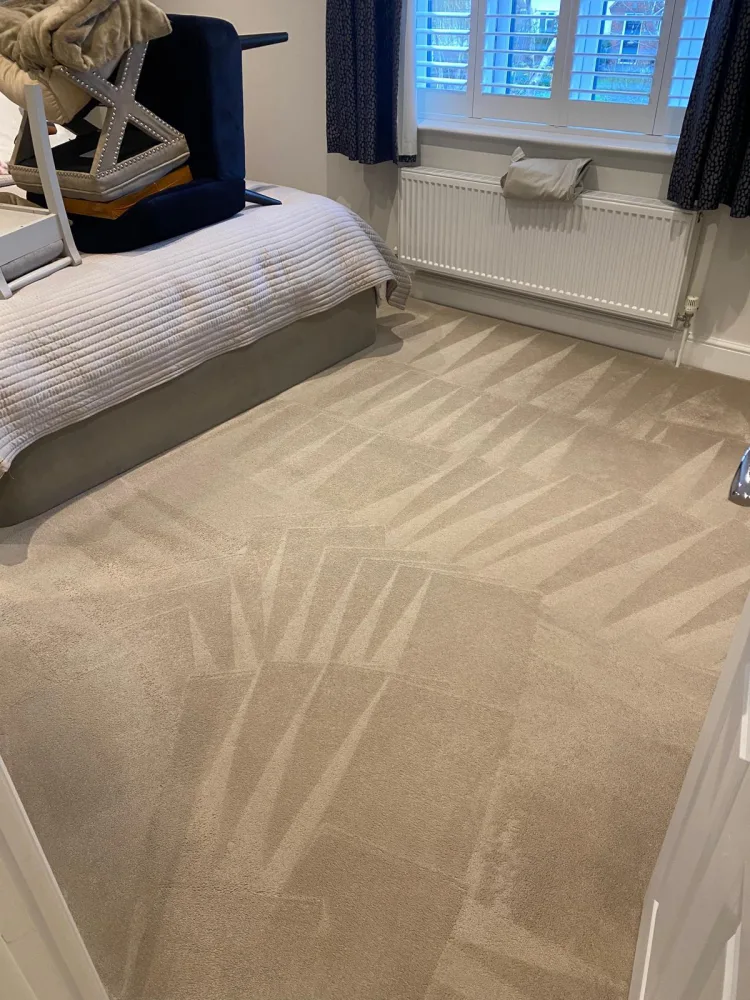
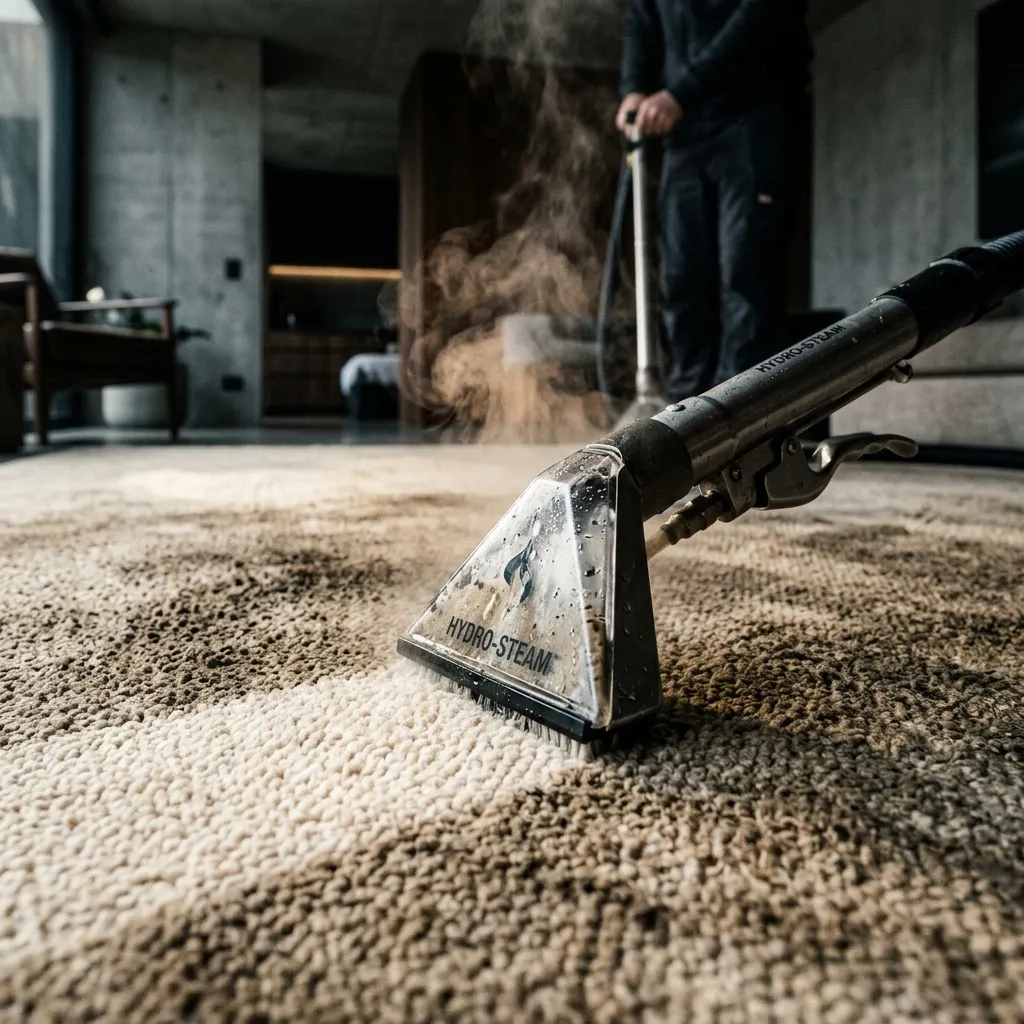
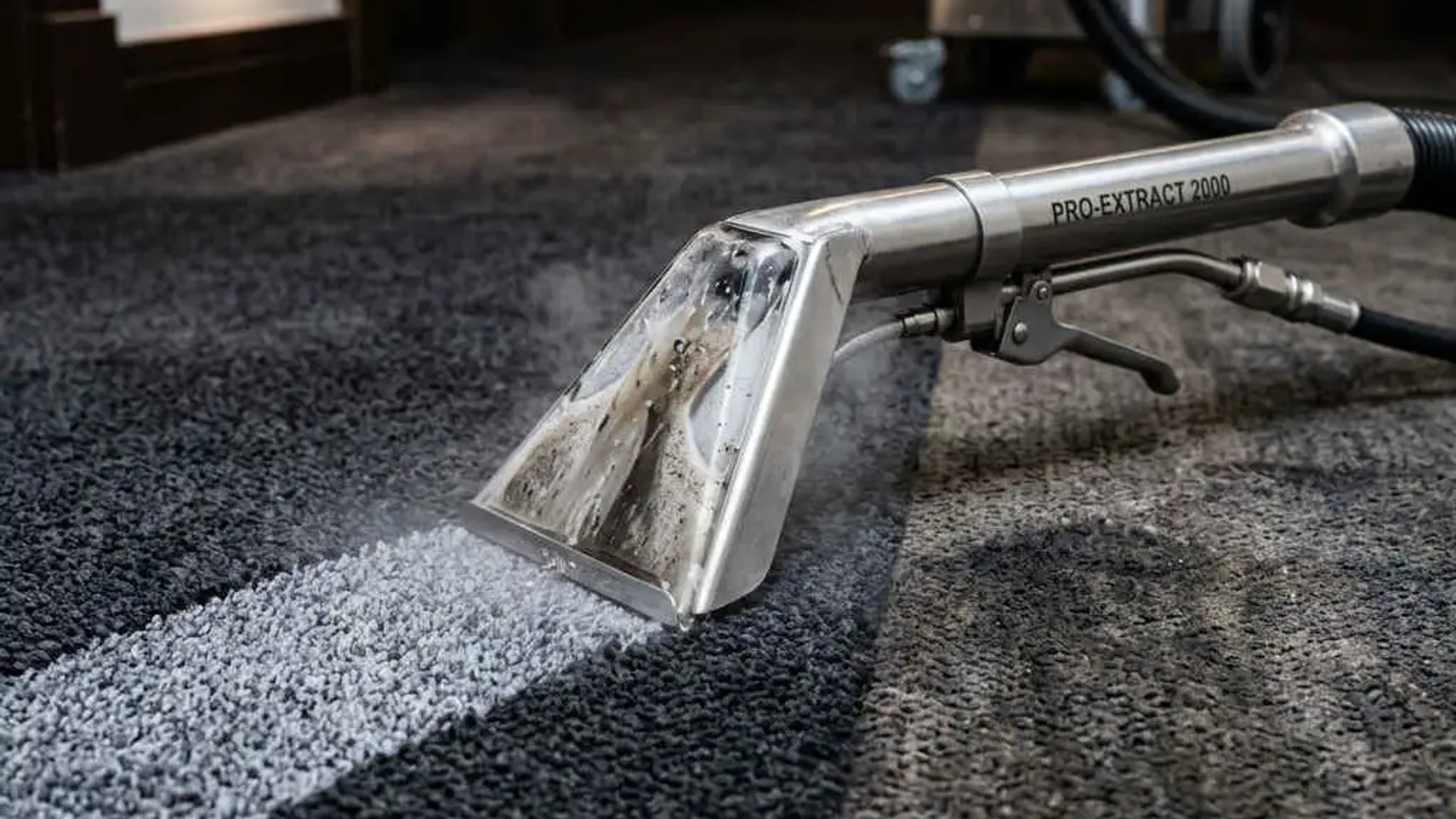
- Carpet and upholstery cleaning. A different machine and a different skill set. Vacuuming is included in a deep clean; extraction is not.
- A full oven strip-down. Removing the door and glass panels is a job in itself. Some include it, some price it separately.
- External windows. Access equipment and, above ground floor, different insurance.
- Mould treatment. Surface treatment is straightforward. Anything beyond that needs the underlying damp resolved first, which is not a cleaning job.
- Clearance. Taking things away is licensed waste-carrier work, entirely separate from cleaning.
6. Access and parking
Unglamorous but real, particularly in London. A third-floor flat with no lift means every piece of equipment goes up and down by hand. A permit-only street with no loading bay means paying for parking or carrying kit a distance. Neither is a large cost on its own, but both add time, and time is what is being priced.
7. Timing
Next-day and weekend slots cost more, as they do in any trade. End of month is the busiest period for move-out cleans, so booking a checkout clean for the 30th at short notice is the most expensive way to buy one. Two weeks of notice is usually worth more than any amount of haggling.
How to get a quote that does not change
A quote given from a two-line message is a guess, and guesses get revised on the day. Sending this much detail takes five minutes and usually gets you a firm number.
- Bedrooms and bathrooms, separately. Bathrooms drive the time.
- Photographs of the kitchen and bathrooms, plus anything you consider a problem area. This is the single most useful thing you can send.
- Whether it will be empty on the day.
- When it was last deep cleaned, honestly. Understating it only produces a number that changes later.
- What you want included, particularly the oven and carpets.
- Access details: floor, lift, parking.
On unusually low quotes. If one number comes in well below the others, it is usually explained by scope, not efficiency. Ask how many cleaners for how many hours. Two people for six hours is twelve labour hours; if another quote is priced at five, they are not doing the same job. That question resolves it faster than any other.
One last thing worth saying plainly: sometimes the honest answer is that you do not need a deep clean at all. If a property is broadly maintained and you want it kept that way, regular cleaning is better value. We have set the two side by side in deep cleaning vs regular cleaning.
Where this advice comes from
We work to the standards below, and we have pointed you to them directly so you can check anything here yourself rather than taking our word for it.
- British Institute of Cleaning Science (BICSc) — Professional body for cleaning standards. Useful background on how cleaning work is properly specified and measured.
- Which? — hiring tradespeople — Independent guidance on comparing quotes and spotting the ones that will change once work begins.
- GOV.UK — Tenancy deposit protection — Relevant if the clean is tied to a move-out, where the standard required is set by the check-in inventory rather than by you.
What we would actually buy
Nothing to buy. The three things that reduce a cleaning bill are preparation, information and notice, and all of them are free.
Clearing surfaces and floors beforehand
Cleaners are paid for time. Every worktop, floor and windowsill cleared before they arrive is time redirected from moving your possessions into actual cleaning. It is the single cheapest way to get more for the same money.
Photographs of the kitchen and bathrooms
Send these with your enquiry. Condition is the hardest thing to judge over the phone, and it is the variable most likely to change a quote on the day. Photographs remove the guesswork for both sides.
A monthly rotating deep-clean task
One job a month — oven, behind the fridge, skirting, inside cupboards — keeps the property from reaching the condition that pushes a quote up. Condition is the second biggest cost driver and it is entirely within your control.
A written scope from each company
Costs nothing and resolves most price confusion. Two quotes are not comparable until you know they cover the same work.
Nobody pays us to list these and there are no affiliate links on this page. They are simply what we have found works, and in several cases the cheapest option genuinely is the best one. Whatever you use, patch-test it somewhere hidden first.
The Carpetix Team
We are a carpet, upholstery and rug cleaning team based in Leytonstone, East London. We write these guides from what we run into on actual jobs, which is why you will find us telling you when to leave something alone or handle it yourself rather than call anyone out. If a guide here saves you a call, it has done its job.
Last reviewed and updated 31 July 2026